


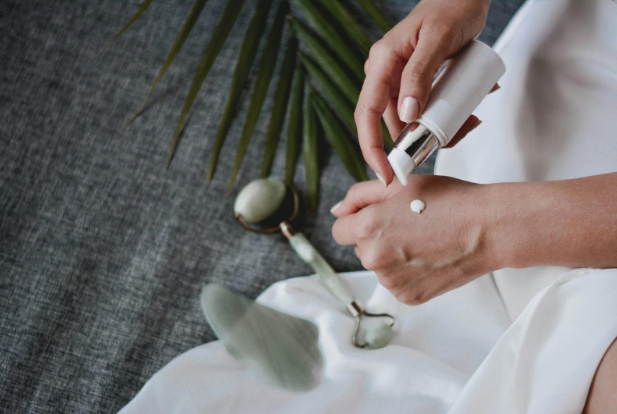
Seasonal changes affect us profoundly on many levels – that’s a fact we can’t deny. But even if we are aware of fluctuations in our energy levels and mood, what often goes unnoticed is how much these differences can impact our skin. From the colder winter air to increased sun exposure in summer, each season brings new, unique challenges that can affect skin comfort, appearance, and overall health. Understanding how your skin reacts throughout the year will help you make necessary adjustments that keep it feeling balanced and supported, no matter the weather.
Why Our Skin Changes with the Seasons
Temperature, humidity, and environmental exposure – they all play a huge role in our body’s overall health. During colder months, dry air and indoor heating can strip the layer of moisture you usually have on your skin, leaving it feeling tight and irritated. In contrast, warmer seasons often bring greater humidity as well as temperature and sun exposure, which can lead to congestion in our pores, redness, itching, and higher sensitivity. Because the skin acts as a protective barrier, it’s the first one to be affected by harsh conditions and environmental stressors. This is why maintaining a consistent but adaptable routine is so essential. Many people find that reviewing their skincare habits as seasons change helps manage these needs before any issues have a chance to appear.
Common Concerns
Each season brings its own set of challenges for our skin. In winter, dryness and dullness are common as moisture levels drop. Spring may trigger sensitive reactions for those prone to the increase in allergens in the air and temperature fluctuations. Summer often leads to excess oil or sun-related concerns, while autumn can cause imbalance as skin adjusts once again to the cooler air. Rather than completely revamping routines every few months, small adjustments can make a big difference. Pay attention to how your skin feels. Don’t try to stick rigidly to one specific routine throughout the entire year, cause in the long haul, you might be worse off than if you take a more responsive approach.
Support Your Skin From the Inside Out
Topical care is important, but your lifestyle choices, like diet, the amount of physical exercise, and hygiene, are the most important factors in your skin’s condition. The first rule is to always stay hydrated. It helps you to maintain the skin’s elasticity and comfort, especially during those colder months. Try to provide yourself with all the necessary nutrients in your diet, supporting your overall health – a healthy body means healthy skin full of natural glow. Another important thing is a good night’s sleep – it’s not for nothing they call it “the best make-up you can wear.” Stress is yet another factor, often overlooked when thinking about our skin’s condition, one that often depends on the seasonal changes. Try to adapt to them in a stress-free way, so that they don’t disrupt your daily routine too much.
Adjust Your Routine but Don’t Overcomplicate It
One of the most common mistakes people make these days is making their skin routine too complicated. We are bombarded with so much new information about what we should do and what products we should use every day that, with time, our two-minute morning wash becomes a thirty-minute lengthy routine with nine different health care products. And yet a different set in the evening! It’s best to discover a few things that work best for our skin type and then stick to them – obviously, adjusting according to the season – instead of using a new cream every day.
Protecting Your Skin All Year-Round
Seasonal changes are a natural part of life, and your skin will respond to them just as your body does – it’s a natural and healthy response. You can, however, try your best to understand these changes and protect your skin accordingly to get the best results. Remember to observe, stay flexible, and try to learn what’s best for your skin during each upcoming season. Your skin will thank you for it!
